
Deciding how much to charge for bouncy castle hire is one of the first challenges when starting a rental business in the UK.
If your prices are too low, you may receive plenty of bookings but make very little profit after delivery, cleaning and other operating costs. If your prices are too high without offering clear value, potential customers may choose another local company.
There is no single price that works for every bouncy castle hire business. Your location, equipment, delivery area and level of service will all affect the amount you need to charge. The aim is to offer a competitive price while ensuring that every booking contributes to the long-term success of the business.
What Is the Average Price of Bouncy Castle Hire in the UK?
Bouncy castle hire prices vary across the UK. As a general starting point, many operators charge approximately:
- £60–£90 for a small children’s bouncy castle
- £80–£120 for a standard bouncy castle
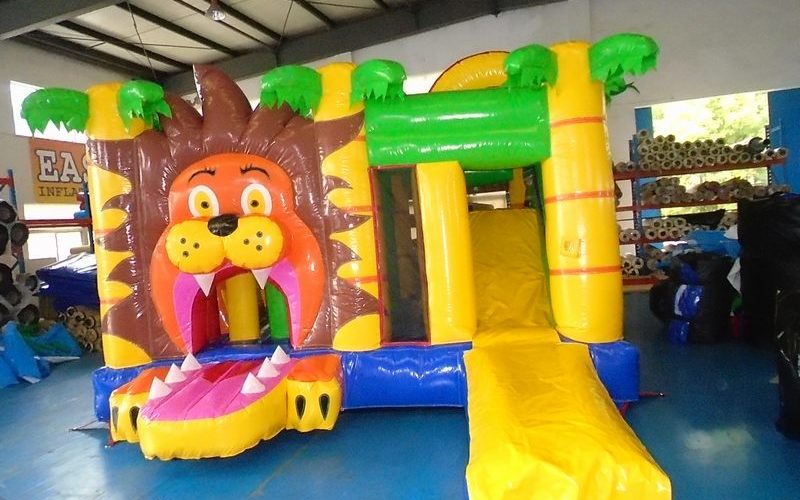
- £90–£150 for a themed bouncy castle
- £120–£200 for a bouncy castle with a slide
- £120–£200 for an adult bouncy castle
- £180–£350 or more for a large inflatable slide or obstacle course
These figures are only general market ranges. Prices are often higher in London and other large cities, while operators in smaller towns may charge less.
The equipment included and the level of service can also make a considerable difference. One company may include local delivery, setup and collection in the advertised price, while another may charge for these separately.
Before setting your own prices, research businesses operating within your actual delivery area rather than relying only on national averages.
Work Out the True Cost of Every Booking
The purchase price of the inflatable is only one part of the calculation. Each booking creates several direct and indirect costs.
These may include:
- Fuel and vehicle expenses
- Delivery and collection time
- Loading and unloading
- Setup and dismantling
- Cleaning and drying
- Repairs and routine maintenance
- Insurance
- Equipment inspections and electrical testing
- Storage
- Advertising and website costs
- Booking administration
- Payment processing fees
- Replacement equipment
You should also allow for quiet periods, bad-weather cancellations and days when the equipment is unavailable because it is being cleaned or repaired.
A £90 booking may initially appear profitable. However, the actual return can be much smaller once two delivery journeys, labour, fuel, cleaning and general business expenses have been included.
Knowing the real cost of a booking helps you avoid staying busy without making a worthwhile profit.
Set a Minimum Profitable Hire Price
A simple pricing formula is:
Operating cost + share of business overheads + required profit = hire price
For example, a standard local booking might involve:
- £15 for fuel and vehicle use
- £20 for delivery, setup and collection time
- £10 for cleaning and maintenance
- £10 towards insurance, storage and administration
- £30 profit
In this example, the minimum suitable hire price would be £85.
Your own costs will be different, but the calculation shows why copying another company’s price can be risky. A competitor may have lower storage costs, a smaller delivery area or equipment that has already paid for itself.
Your minimum price should be based on your business, not someone else’s.
Charge More for Larger or More Complex Inflatables
Not every inflatable should have the same hire rate.
A compact children’s castle is normally easier to transport, install and clean. A large combination unit, inflatable slide or obstacle course may be heavier, require more vehicle space and take longer to set up.
When pricing individual products, consider:
- Size and packed weight
- Initial purchase cost
- Expected working life
- Setup and collection time
- Number of staff required
- Cleaning time
- Transport space
- Power requirements
- Repair and replacement costs
- Local customer demand
A larger unit should not cost more simply because it looks impressive. The higher price should reflect the additional time, labour and operating costs involved in providing it.
This also makes it easier to explain the difference between the price of a standard castle and a larger castle-and-slide combination.
Include Delivery Costs Properly
Delivery is one of the easiest costs to underestimate.
A venue may be only ten miles away, but delivery and collection could require four separate journeys. That can create approximately 40 miles of travel for a single booking.
Many UK hire businesses include delivery within a small local area and add a charge for locations outside that zone. For example, you could offer:
- Free delivery within five miles
- A fixed delivery charge between five and ten miles
- An individual quotation for longer journeys
The exact distances will depend on your location and vehicle costs.
A clearly defined delivery area also prevents customers from assuming that every postcode is included in the advertised hire price. It is better to explain any delivery charge before the booking is confirmed.
Define What a Standard Hire Includes
Customers should be able to understand exactly what they receive for the advertised price.
A standard hire price may include:
- Delivery within the local area
- Setup and dismantling
- Blower
- Suitable anchoring equipment
- Safety mats where required
- Operating instructions
- Collection at an agreed time
You should also state the usual hire period. A daytime booking, evening collection, overnight booking and full-weekend hire should not automatically have the same price.
Clear inclusions make your prices easier to compare and reduce misunderstandings later.
Price Longer Hire Periods Separately
Longer bookings should cost more because the inflatable cannot be hired to another customer during that time.
You may want separate rates for:
- Standard daytime hire
- Late-evening collection
- Overnight hire
- Full-weekend hire
- Multi-day events
An overnight hire may also involve additional cleaning, weather and security risks. The extra charge should reflect those risks rather than being a small, arbitrary addition to the daytime price.
For multi-day events, you can offer a lower daily rate without reducing the total price too heavily. Delivery and setup costs may be shared across several days, but the product is still unavailable for other bookings.
Consider the Venue and Setup Conditions
Two bookings for the same inflatable may require very different amounts of work.
Before confirming the price, ask the customer about:
- The delivery postcode
- Indoor or outdoor use
- Grass or hard-standing surface
- Available setup space
- Access to the site
- Door and gate widths
- Distance from the vehicle
- Stairs or slopes
- Nearby power supply
- Required setup and collection times
A simple setup in an accessible garden may be covered by the standard rate. A venue with restricted parking, narrow access or a long carrying distance may require additional time and labour.
If a booking involves extra work, explain any additional charge before accepting the deposit.
Do Not Try to Be the Cheapest Company
Low prices can attract enquiries, but being the cheapest operator in your area does not guarantee a successful business.
Customers are not only paying for the inflatable. They are also paying for:
- Clean and properly maintained equipment
- Reliable delivery
- Professional setup
- Clear communication
- Suitable safety equipment
- Straightforward booking terms
- Dependable collection
- Support if plans or weather conditions change
Many customers organising birthdays, weddings, school events and community days are willing to pay slightly more for a company they trust.
Instead of competing entirely on price, focus on offering a dependable and professional service. This gives customers a clear reason to choose your business without forcing you to reduce your profit.
Use Packages to Increase Booking Value
Packages can increase the value of a booking without relying on heavy discounts.
A customer hiring a bouncy castle may also be interested in:
- Soft play equipment
- A ball pool
- Garden games
- An inflatable slide
- A second themed unit
If two products are delivered to the same venue, some delivery and setup costs can be shared. You can pass part of that saving to the customer while still increasing the total value of the booking.
For example, instead of discounting every product separately, offer a modest package saving for two or more items delivered together.
Always calculate the costs first. A package should generate more profit, not simply create more work for almost the same return.
Use Deposits and Clear Payment Terms
A booking deposit helps secure the date and confirms that the customer intends to proceed.
Your booking terms should clearly explain:
- The amount required to secure the booking
- When the remaining balance is due
- Whether the deposit is refundable
- What happens if the customer cancels
- What happens if weather conditions prevent safe use
- Whether a cleaning or damage deposit applies
- Any charges for changes, late collection or unsuitable access
Clear payment and cancellation terms protect both sides. They also reduce disputes and save time answering the same questions for every booking.
Compare Local Competitors Carefully
Competitor research is useful, but prices should only be compared when the service is similar.
Before using another company’s price as a reference, check whether it includes:
- Local delivery
- Setup and collection
- Blower and accessories
- Safety mats
- Evening or weekend collection
- A full-day or shorter hire period
- Additional travel charges
- VAT, where applicable
A lower advertised price may not include delivery or may apply only to a restricted area. A higher price may include a longer hire period, newer equipment or a more complete service.
Use competitor prices to understand the local market, but do not allow them to determine your prices completely.
Review Your Prices Regularly
Business costs change over time. Fuel, insurance, repairs, storage and advertising may all become more expensive.
Review your pricing at least once a year and look at:
- The number of bookings received by each product
- Average travel time and mileage
- Cleaning and repair costs
- Labour required for different units
- Profit from each type of booking
- Seasonal demand
- Local competitor prices
- Products that are frequently unavailable
You may find that certain large or labour-intensive inflatables need a price increase, while a popular standard castle can remain at the same rate.
Regular reviews allow you to make smaller, more manageable adjustments instead of waiting until the business is no longer profitable.
Common Bouncy Castle Pricing Mistakes
New hire businesses often make similar pricing mistakes, including:
- Copying the cheapest local competitor
- Forgetting to include collection mileage
- Offering free delivery over too large an area
- Undercharging for large inflatables
- Giving discounts without calculating the effect on profit
- Ignoring cleaning and drying time
- Failing to charge for difficult venue access
- Keeping prices unchanged when costs increase
- Accepting unprofitable bookings simply to fill the diary
A full booking calendar does not automatically mean that the business is performing well. Each booking should contribute towards wages, equipment replacement and future growth.
Final Thoughts
The right bouncy castle hire price should be competitive, clear to the customer and profitable for your business.
Start by calculating the complete cost of delivering each booking. Define your local delivery area, create separate rates for different types of inflatables and charge appropriately for longer hire periods or difficult venues.
You do not need to be the cheapest bouncy castle hire company in your area. Clean commercial equipment, reliable delivery and professional service all have value.
When your prices reflect both your operating costs and the quality of your service, you have a much stronger foundation for building a sustainable UK bouncy castle hire business.